




The Legend of Tiger Grass: The "Sacred Wound-Healing Herb" from the East
In the ancient oriental jungles, it is said that wounded tigers would cross mountain valleys to find a mysterious creeping plant with copper coin-shaped leaves—Tiger Grass. They would repeatedly rub their wounds against the leaves and even chew the stems. Before long, their wounds would miraculously heal, and they would regain their vigorous vitality. This phenomenon was discovered by the local ancient people, and thus Centella Asiatica was named "Tiger Grass" and revered as "Nature's Healing Messenger".
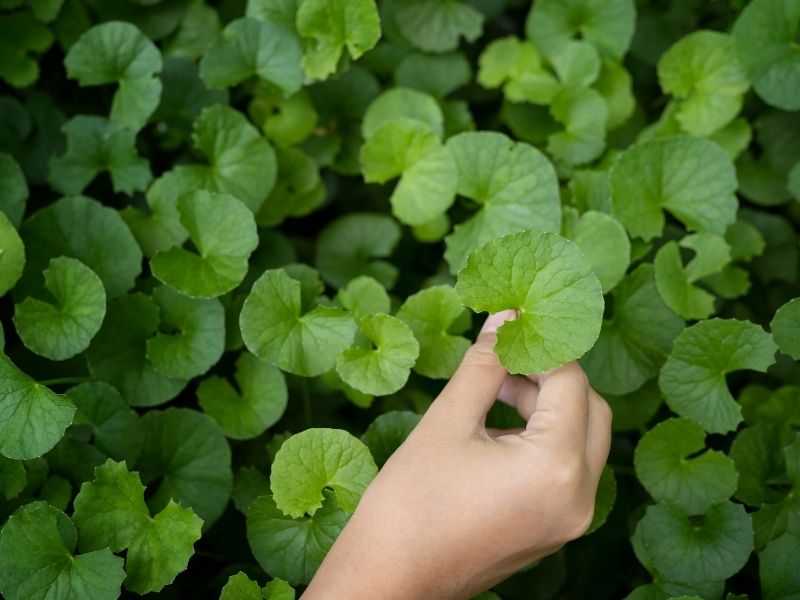
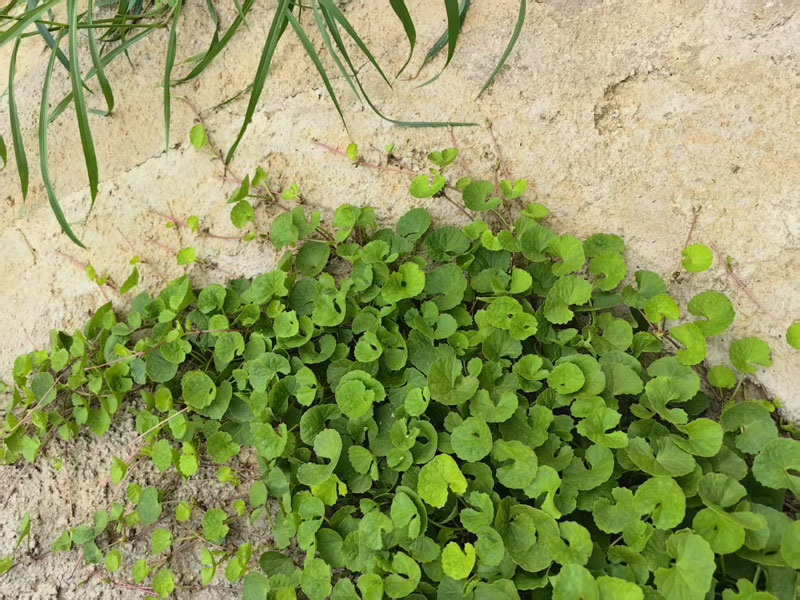
Centella Asiatica Raw Materials
Centella Asiatica (scientific name: Centella asiatica (L.) Urban), is mainly distributed in tropical and subtropical regions of the northern and southern hemispheres, predominantly grown in South Africa, India, Sri Lanka, Malaysia, Australia and other places. In addition, it is also distributed in Japan. In China, Centella Asiatica is distributed in Yunnan, Guizhou, Guangxi, Jiangxi, Hubei and other provinces. It grows in areas with an altitude of 200 to 1900 meters, preferring shady and humid grasslands or beside ditches, such as roadsides, ditch sides and field ridges.
Centella Asiatica reaches its vigorous growth period from May to August every year, and the plants gradually wither in November. It is usually harvested when it is in vigorous growth and high yield, and can only be harvested once a year. Centella Asiatica has the effects of clearing away heat and dampness, promoting blood circulation and stopping bleeding, and detoxifying and reducing swelling. Its extract has a significant promoting effect on the healing of wounds and ulcers, so it is also commonly used in the cosmetics industry.
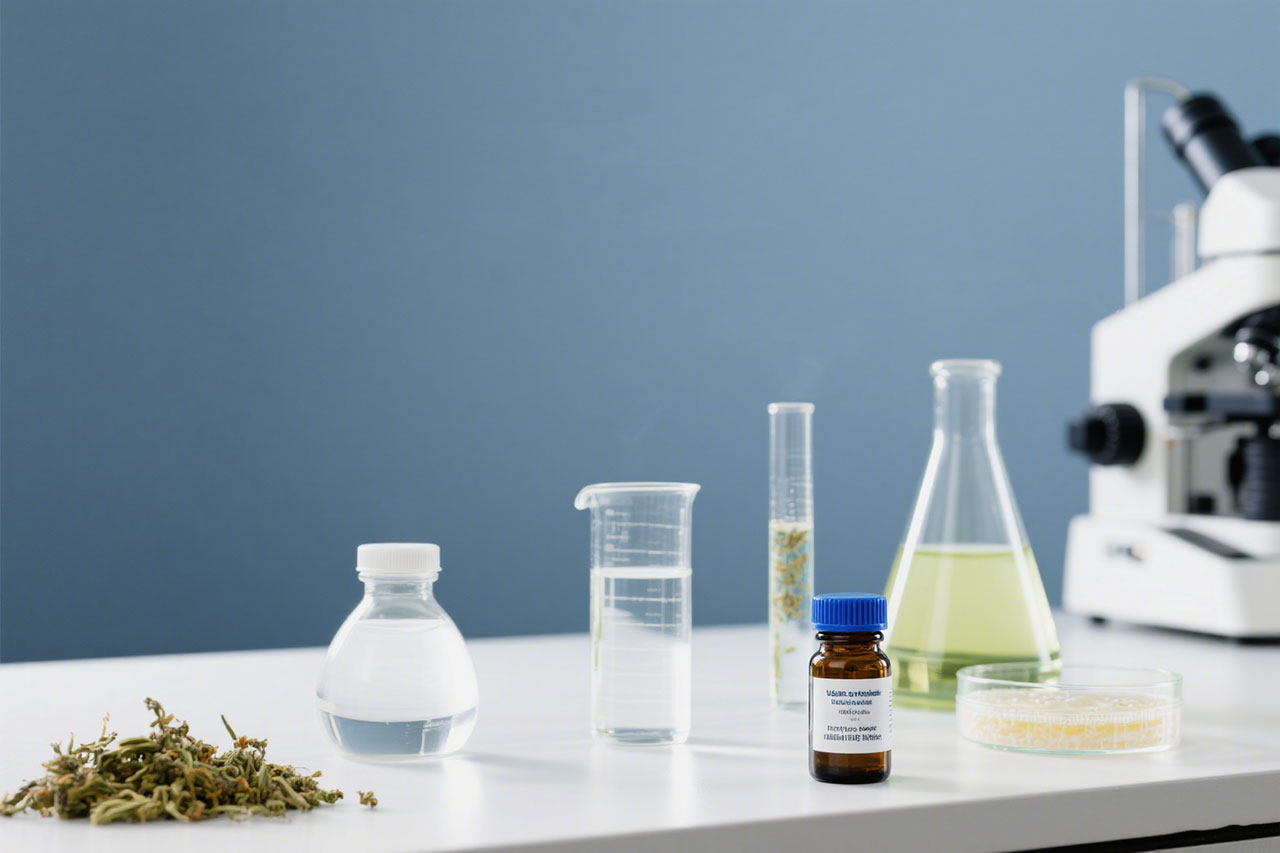
Main Components of Centella Asiatica
Centella Asiatica contains a variety of chemical components, mainly including triterpenoids, volatile oils, polyalkynes, flavonoids, alkaloids and other components. Among them, triterpenoids are the main active components of Centella Asiatica, and also the most studied active substances reported so far.
The triterpenoid components of Centella Asiatica are based on pentacyclic triterpenes. Among them, Asiaticoside, Madecassoside, Asiatic Acid and Madecassic Acid are the most abundant pentacyclic triterpenoid components in Centella Asiatica. At present, the active Centella Asiatica substances used in cosmetics are mainly triterpenoid components.